
Sponsored

Catch Can (Yep here is another thread on it)

VR30Infection

Well-Known Member
Joined
Jul 21, 2024
Threads
0
Messages
514
Reaction score
479
Location
California
Car(s)
24'Z Performance, 67' Barracuda
The difference is if it is a direct injection only engine. Any port injection cleans the intake path and back of the valves and a catch can wouldn’t matter. On a DI only engine the back of the valves get carbon buildup. A catch can can help prevent loss of performance and mileage and save you money that it would take for a professional cleaning.

 
OP
OP
David Montgomery

David Montgomery

Well-Known Member
First Name
David
Joined
Mar 17, 2025
Threads
5
Messages
59
Reaction score
59
Location
New Hampshire
Car(s)
2024 RZ34 Performance 6MT, 1981 S130 Turbo 5MT
To answer the original question. Most of the catch can setups for us are only catching the PCV line. Connected to the PCV valve which is on the driver side valve cover and then is connected directly to the intake manifold. This only works during a vacuum state (meaning it does not work during boost as the PCV is a one way check valve setup) When the manifold sees boost, the PCV valve is closed otherwise you would be adding boost pressure to the crank case. This would be bad. The passenger side line is connected to the passenger side valve cover and then goes into the intake tubing PRE turbo. So as the turbo spools it is sucking air from the crank case. The higher the boost and therefore higher likeliness of positive crank case pressure, the harder the turbo is sucking on that line to keep things okay. This is why you would see some oil pooling on the passenger side turbo but not on the driver side. Technically speaking, you would want both sides done to mitigate the buildup on the back of the valves and whatnot. From a performance perspective on the vr30, if there were to be any performance loss of any kind it would be related to the passenger side system if the catch can setup was a restriction not allowing the suction to even out any positive crank case pressure. As far as the PCV side is concerned, there is no way for a catch can to hurt performance numbers due to the fact that you are not building power while the intake is under vacuum. This is only during idle and light cruising where the engine is not under any load whatever. (I hope this helps)
It is perfect. Thank you for the response.
 

HWill

Well-Known Member
First Name
HW
Joined
Oct 25, 2025
Threads
2
Messages
76
Reaction score
44
Location
Arizona
Car(s)
2025 Nissan Z Performance
I work with couriers all day. Most of these drivers have 200k miles or more and been reliable trucks and cars. I've seen some drivers with 500k miles. None of these people have ever used or probably even heard of a catch can. This is just my opinion but I think they were created and a trend followed, nothing more.
A catch can is to keep oil/oil vapors from coating the intake/intake manifold and TB. While those vehicles are reliable it would be interesting to see what the inside of the intake manifold looks like.
I'd agree that they are not needed on them.

On a performance car you do NOT want that oil/oil vapors coating everything. It can cause issues.

As I said there are Manufactures that do have catch cans for their vehicles, they are only for the performance vehicles.

Lots of people will think this until they remove an intake manifold form a vehicle and see how bad it can be.

Far from a trend though.
 
OP
OP
David Montgomery

David Montgomery

Well-Known Member
First Name
David
Joined
Mar 17, 2025
Threads
5
Messages
59
Reaction score
59
Location
New Hampshire
Car(s)
2024 RZ34 Performance 6MT, 1981 S130 Turbo 5MT
I work with couriers all day. Most of these drivers have 200k miles or more and been reliable trucks and cars. I've seen some drivers with 500k miles. None of these people have ever used or probably even heard of a catch can. This is just my opinion but I think they were created and a trend followed, nothing more.
It is all about DI vs PI. I would not see the need for a catch can on a PI engine; however, I have seen the VK56 DI engine after 150k miles on it, and man, is there buildup that is in fact reducing performance. When valves don't close all the way due to buildup, you lose compression, and then you lose engine power and MPG. I'd like to keep my 25 RZ34 for a long time. I don't plan on racing it, tuning it, or anything else. I just want the existing performance to last as long as I do, which is for about the next 30 years.
 

HWill

Well-Known Member
First Name
HW
Joined
Oct 25, 2025
Threads
2
Messages
76
Reaction score
44
Location
Arizona
Car(s)
2025 Nissan Z Performance
The difference is if it is a direct injection only engine. Any port injection cleans the intake path and back of the valves and a catch can wouldn’t matter. On a DI only engine the back of the valves get carbon buildup. A catch can can help prevent loss of performance and mileage and save you money that it would take for a professional cleaning.


I wouldn't say a catch can doesn't matter on port injection, you definitely get better benefits on direct injection though.
 

Midz10

Well-Known Member
Joined
May 30, 2025
Threads
1
Messages
85
Reaction score
81
Location
Saudi Arabia
Car(s)
2023 Z, 2008 2JZ 350Z, 2006 EVO9, 2002 Pathfinder,
Do we need them? IMO YES.
Do we need them on both banks? IMO YES.

I saw on multiple intake installs videos that there is oil in the hoses. This one shows it in the passenger side. @ 4:14


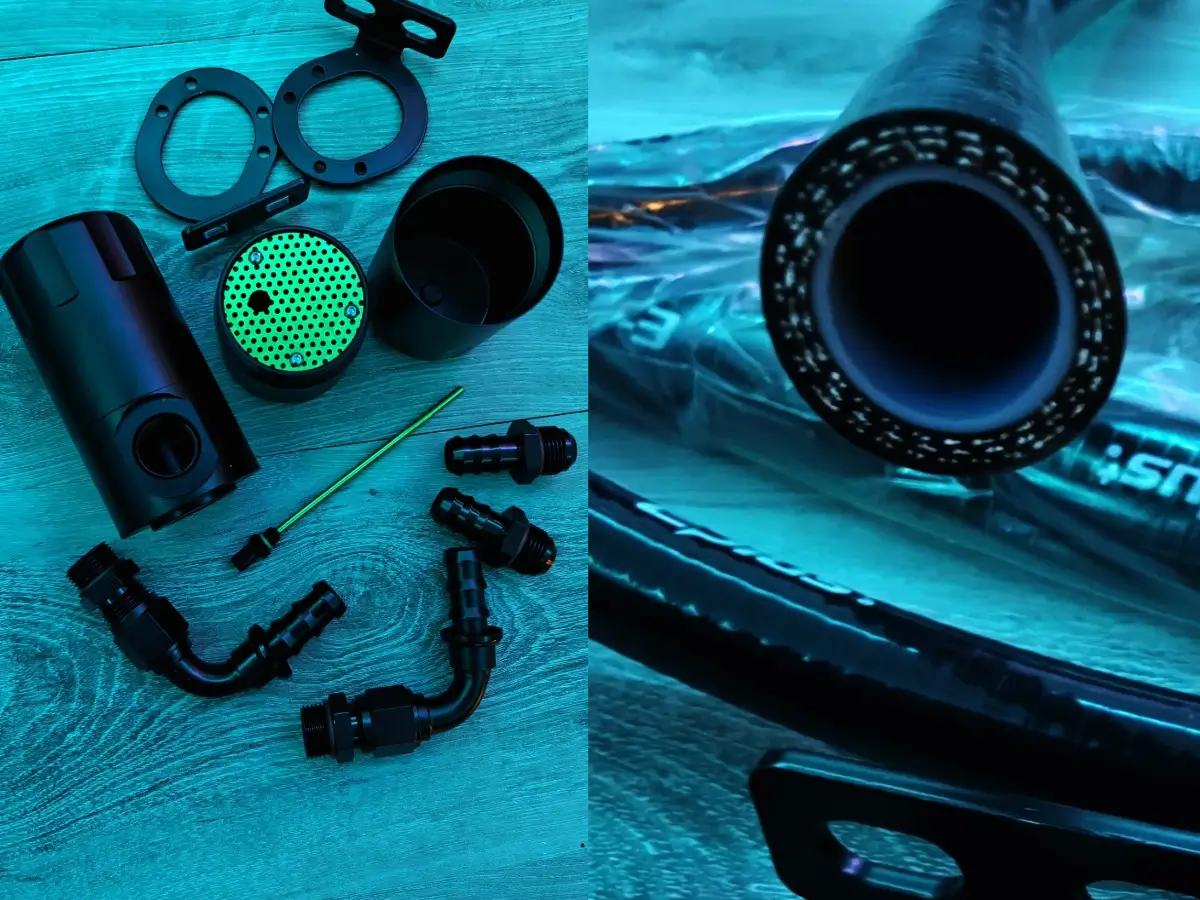
I got 2 high quality catch cans, Silicon hoses and fittings for $120 from AliExpress.

download.webp


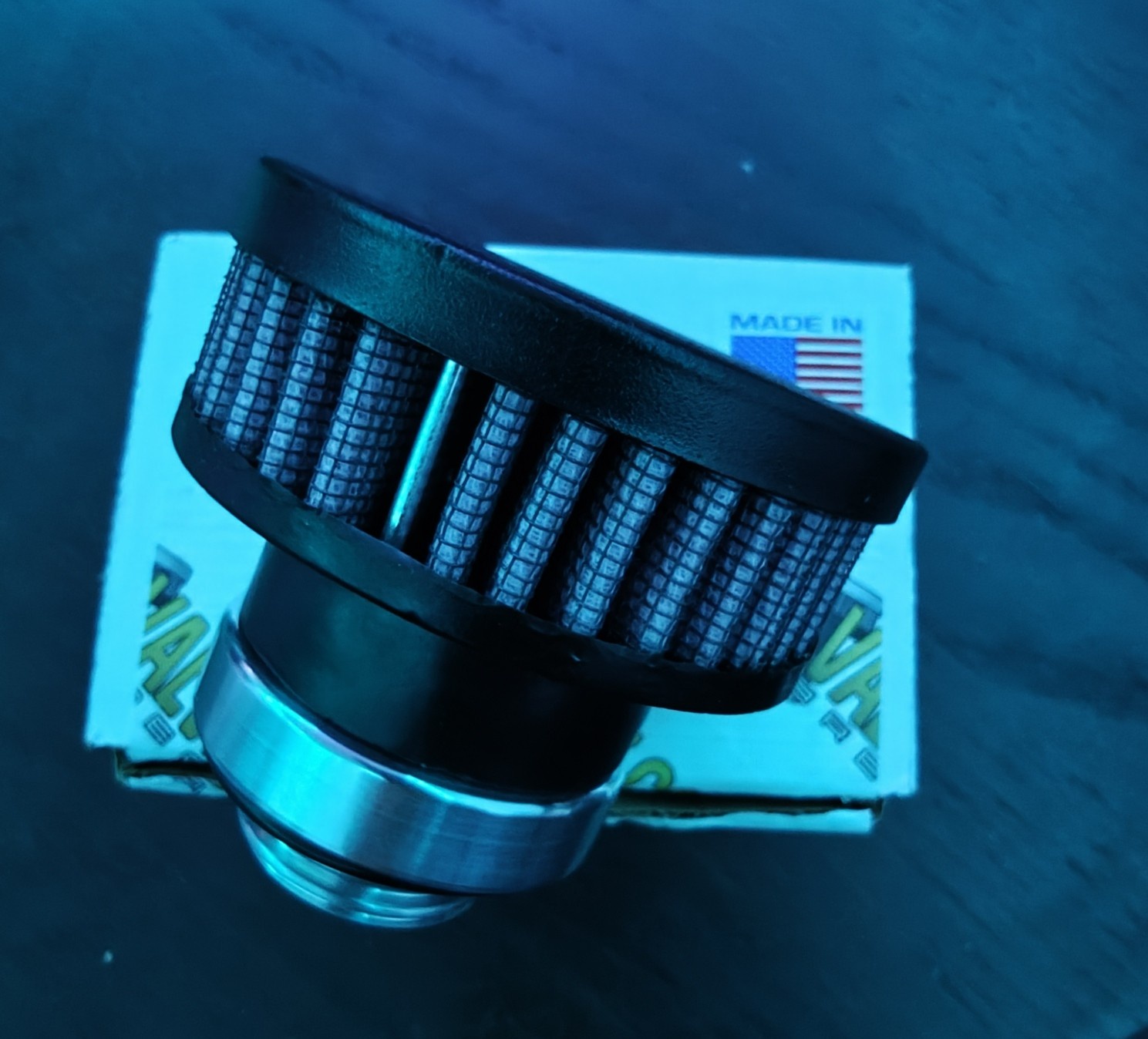
Also I got this for any increase in crankcase pressure.

nVfFIiX.jpg
 
Last edited:

VR30Infection

Well-Known Member
Joined
Jul 21, 2024
Threads
0
Messages
514
Reaction score
479
Location
California
Car(s)
24'Z Performance, 67' Barracuda
I wouldn't say a catch can doesn't matter on port injection, you definitely get better benefits on direct injection though.
The major issue is carbon buildup on the intake runners in the head and the back of the valves. With port injection it just doesn’t happen. Now are there other benefits? Yes. But a port injection car will not have to have an expensive cleaning done like a DI engine. (To clarify)
 

HWill

Well-Known Member
First Name
HW
Joined
Oct 25, 2025
Threads
2
Messages
76
Reaction score
44
Location
Arizona
Car(s)
2025 Nissan Z Performance
That is not actually true you can still have carbon build up with port injection, it is just not as bad as direct injection.

I have never had a cleaning done to a direct injection engine though.
 

FSUZ33

Well-Known Member
First Name
Chad
Joined
Feb 23, 2025
Threads
42
Messages
1,441
Reaction score
1,703
Location
Tallahassee, FL
Car(s)
‘24 Z NISMO
Kind of my angle with the life of a Direct vs Port engine, although I don't know of any testing to back it up. Stuff in the intake and valves is going to hurt performance as it builds up.

For gasoline engines, the MPG difference between direct injection and port injection is about 2%.
Criteria:
- 15K miles per year
- 25 mpg (DI) / 24.5 mpg (PI)...2% less for PI
- $4/gal for gas
Yearly gas cost:
- DI = $2,400
- PI = $2,449
So you spend $49 more per year with the MPG inefficiency of the port injected engine.

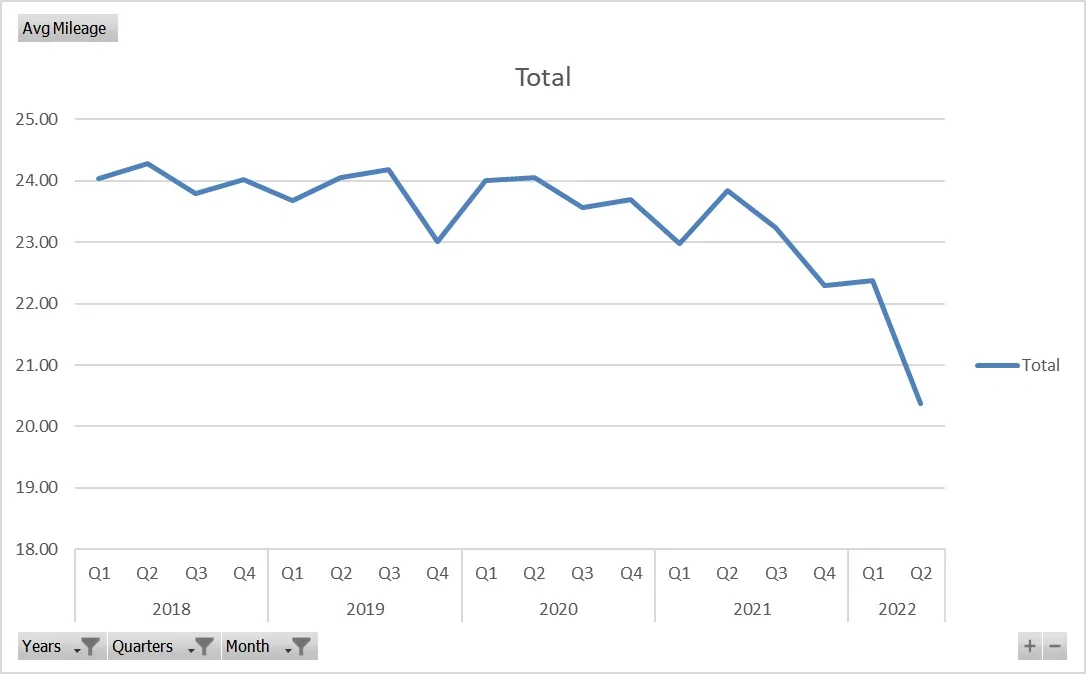
Decrease in mpg due to buildup on a DI engine can be 1%-2% or more per year, and cumulative, so by year 4 you could be at 23 mpg, where the port injected car's still running a smooth 24.5.

Not saying without catch cans your Z will be dead in 60K miles. But personally I think it's a relatively small measure that could provide long-term benefits.

This is an MPG chart from a WRX owner asking what's going on (original thread here). He didn't respond that he had the valves cleaned, but a commenter detailed their experience/results before and after what they thought was this same scenario. Not saying this is all true and should be used to make decisions about what you do and don't do, but it's par for the course for the gas DI experience. I think VWs are known to build up pretty quickly.

1773167480202-wd.webp
 

VR30Infection

Well-Known Member
Joined
Jul 21, 2024
Threads
0
Messages
514
Reaction score
479
Location
California
Car(s)
24'Z Performance, 67' Barracuda
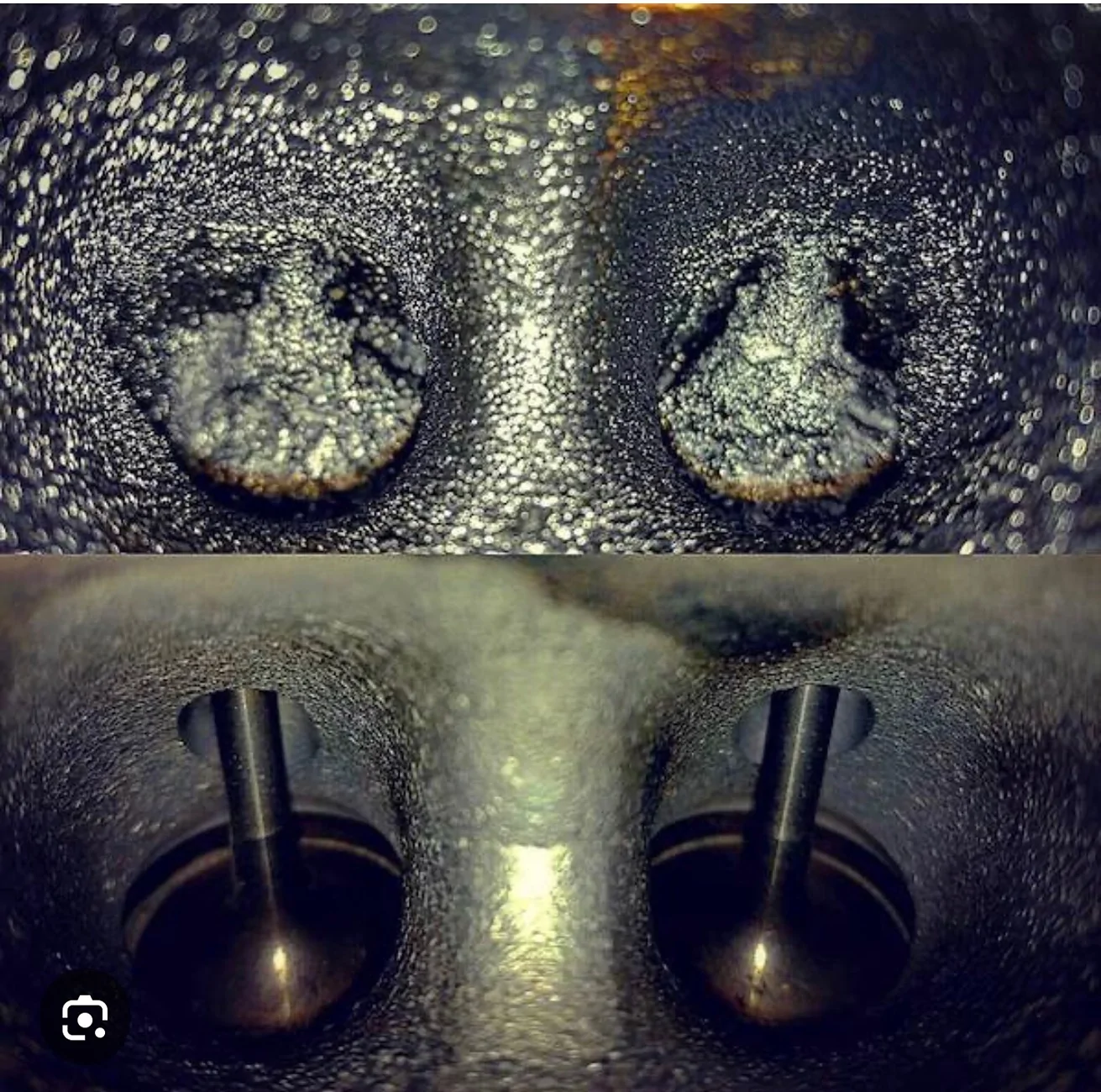
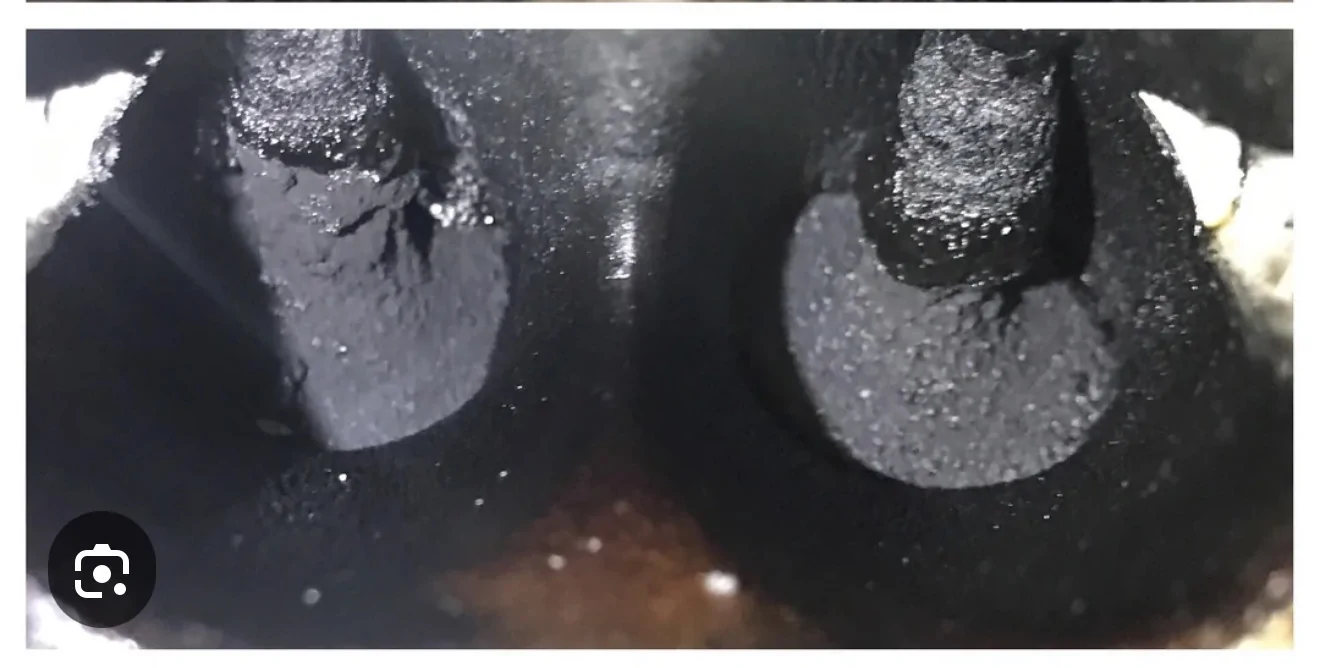
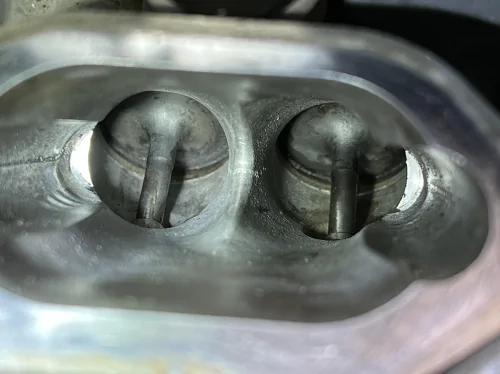
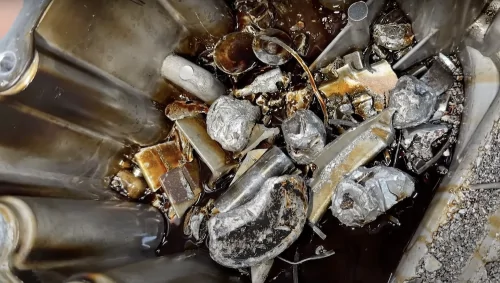
Here is Direct injection. Doesn’t happen on port injection as the atomized fuel cleans everything. The second pic is a before and after with professional cleaning
IMG_2545.webp
IMG_2544.webp
IMG_2543.webp
 

KrackaC8

Well-Known Member
First Name
Christopher
Joined
Nov 23, 2025
Threads
8
Messages
970
Reaction score
1,312
Location
Fulshear, TX
Car(s)
2023 Z Performance, 2024 Grand Cherokee, 2023 Wrangler Rubicon
Occupation
VP
None of these pics are from a VR30... I'd be willing to bet they're from some German vehicle. It took a while for VW & BMW to get it figured out, but eventually even they did.

As I said, a solution looking for a problem.

I too was once paranoid about this because of internet forum rhetoric and pulled my C7 intake manifold off religiously because of it. Know what I found after 70k miles of doing it? Absolutely nothing worth addressing. Heck, I even pulled my C8 intake manifold a few times just to check; same story.

It was actually interesting, GM wouldn't void warranties for headers, intakes, cats, etc. but they'd void a powertrain warranty on the spot as soon as they saw a catch can.

This is one of those aftermarket mods that's mega cheap & easy to assemble/market (they're all rebranded from the same Chinese warehouse) and incredibly lucrative to sell.
 
Last edited:


Top